
16th Feb 2026
Staff Efficiency Starts with the Right Locker Room Supplies: Amenity Trends Shaping Facilities in 2026
With more than 77 million Americans holding gym memberships and global fitness revenue projected to exceed $200 billion by 2030, competition among facilities continues to intensify. Today’s members evaluate more than equipment and class schedules, they assess the entire experience.
Locker rooms are no longer secondary spaces. They are high-traffic operational environments that directly influence member retention, brand perception, and staff efficiency.
In 2026, facilities that optimize their locker room supplies, amenity programs, and hygiene systems are gaining a measurable advantage.
Inclusivity and Universal Design in Modern Locker Rooms
Inclusive locker room design is no longer optional, it is expected.
Private changing stalls, accessible showers, and flexible layouts allow facilities to serve a broader range of users while reducing friction during peak hours. When members feel comfortable navigating the space, overall engagement and satisfaction increase.
Operational support plays a major role here. Facilities are strengthening inclusivity by standardizing:
-
Reliable access to high-quality bath and hand towels
-
Clearly organized locker room supplies
Premium towels and thoughtfully maintained amenities reinforce professionalism while supporting universal design goals.
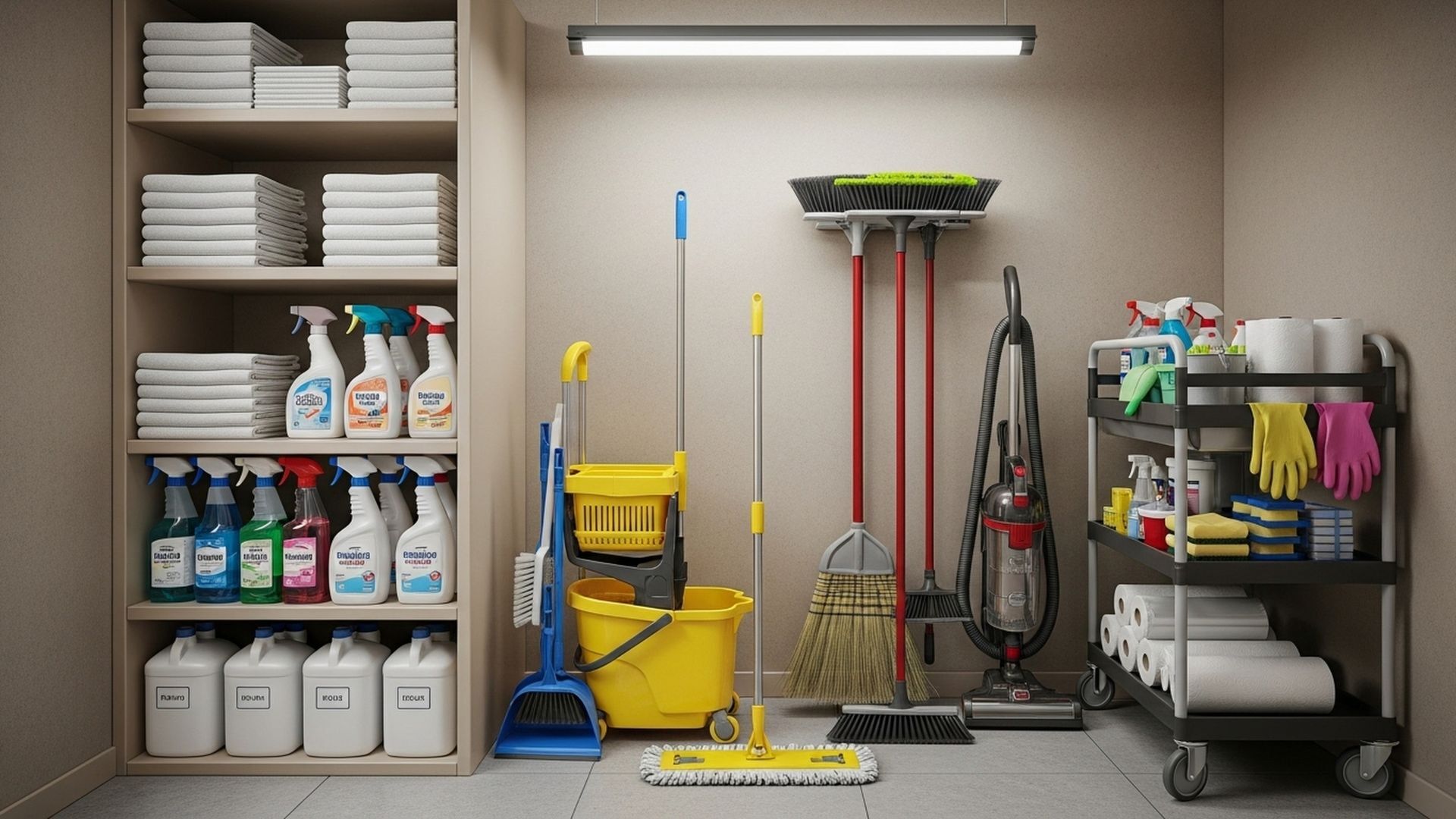
Flexible Locker Room Spaces Require Organized Supply Systems
Modern locker rooms are increasingly multi-functional. Members move quickly between workouts, recovery areas, grooming stations, and short dwell visits. While layouts have become more flexible, this shift places greater demand on back-of-house organization and supply management.
To support operational efficiency, facilities are commonly outfitted with:
-
Storage bins and organizers to manage traffic flow
-
Centralized supply stations to reduce staff travel time
-
Durable locker room accessories designed for heavy daily use
-
Standardized locker room supply systems for predictable restocking
When locker room supplies are organized and standardized, staff spend less time troubleshooting shortages and more time focusing on member service.
Hygiene Visibility Remains a Top Priority
Cleanliness continues to be the strongest driver of locker room satisfaction. However, perception matters just as much as execution.
Facilities reinforce hygiene standards by ensuring:
-
Gym wipes are highly visible and consistently stocked
-
Gym wipe dispensers are placed at entrances, exits, and transition zones
-
Refill schedules align with peak usage times
-
Wall-mounted dispensers are positioned for easy access
Well-positioned gym wipe stations and dispensers signal preparedness. They reduce congestion, support sanitation protocols, and increase member confidence during high-traffic periods.
In competitive markets, visible hygiene systems can directly impact retention.
Sustainability Through Refillable Amenity Systems
Sustainability continues to shape purchasing decisions in 2026, particularly in facilities managing high daily usage.
Refillable amenity systems reduce waste while improving cost predictability and operational efficiency.
Many operators are standardizing:
-
Refillable bottles and dispensers
-
Bulk amenity programs
-
Consolidated supply purchasing
-
Reduced reliance on single-use containers
These systems support environmental goals while creating more streamlined locker room supply management.
Facilities that adopt refillable locker room systems often benefit from lower long-term supply costs and fewer emergency restocking disruptions.
The Future of Locker Room Operations in 2026
The most successful locker rooms in 2026 are not defined by design trends alone. They are defined by systems that perform reliably every day.
From inclusive layouts and towel programs to visible hygiene stations and refillable amenity systems, the right locker room supplies directly influence:
-
Staff efficiency
-
Member satisfaction
-
Retention rates
-
Brand perception
-
Operational consistency
As competition increases, facilities that treat locker rooms as operational assets — not afterthoughts — will continue to outperform.